.jpg)

One Thing for
Brain Aneurysm Awareness Month
What One thing could change a story?
This September, for Brain Aneurysm Awareness Month, HBA Support is sharing the facts, community voices and practical actions that can help more people understand brain aneurysms, feel less alone and know where to find support.
We’re asking people affected by brain aneurysms, families, clinicians and supporters to tell us their “One Thing”- that they wish more people knew, that helped them, the one thing they would say to someone newly diagnosed, or the one action they want others to take.
We want to share these with you.
Brain aneurysms can affect individuals and families suddenly and profoundly, but awareness, support and timely information can change what happens next.
Whether you are newly diagnosed, living with an unruptured aneurysm, recovering after a rupture, supporting someone else, or trying to understand your family risk, we share trusted information and lived experience and help you access practical support and community voices to help you.
If you or someone you love has been diagnosed with a brain aneurysm, you may have questions, worries or simply need to know what to do next.
The BIG things we want people to know about brain aneurysms
Knowing your family history can change your story.
If more than one close family member has been affected by a brain aneurysm, it is worth talking to a healthcare professional such as your GP and finding out more.
Having a conversation about family history can feel difficult, but it may help people understand their own risk, ask better questions and seek support earlier.
Here's a guide that may help understand familial or hereditary brain aneurysms.
Research is improving understanding of why aneurysms form, rupture and cluster in some families.
Early information saves lives.
When found, brain aneurysms can be monitored or treated. Read our NEW Brain Aneurysm Treatment Guide.
You can make a difference.
Looking after your health, keeping blood pressure in a healthy range and stopping smoking can really help reduce rupture risk. Download our Living Well Guide.
You are not alone.
We offer information, peer group support sessions and a community for people and families affected by brain aneurysms. We can also guide you to further support, email us at support@hbasupport.org for more information.
If you have been diagnosed with a brain aneurysm
A diagnosis can bring uncertainty, especially while you are waiting for appointments, scans or decisions about treatment. Most people live well with an unruptured aneurysm and get on with their life.
Depending on your individual situation, an aneurysm may be monitored or treated. Our Treatment Guide helps you understand the options, prepare questions for your healthcare team and feel more informed.
Living with the worry of an aneurysms is something that thousands of people do each year, listen to our podcast on how to live with health anxiety for information and advice from Dr Kym Winter, a trained psychologist.
You can also find more information in our Newly Diagnosed Patient Guide
Read our community stories
If you have been affected by a Subarachnoid Aneurysmal Heamorrage
When a brain aneurysm ruptures, it causes a Subarachnoid Aneurysmal Haemorrhage (SAH). It's rare, around 5,000 people in the UK have one each year, but it's serious, and it needs emergency treatment in hospital. Recovery is different for everyone.
If you have experienced, or supported someone through, a subarachnoid haemorrhage after a ruptured brain aneurysm, your experience matters and we need your help to improve SAH care and recovery.
We need to better understand what follow-up support, rehabilitation and information looks like after SAH, what support was missing or difficult to access, and what could have improved recovery for patients, families and carers. Please help us by completing our online survey, which will take around 10 (TBC) minutes.
Read Sarah's lived experience story, on how her life changed in an instant, and finding support in recovery.


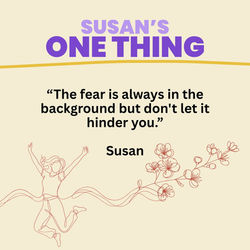
One Thing Community Messages
Thank you to everyone who has shared their heart felt, inspiring and helpful messages with us. Thank you for being brave and generous sharing your with your lived experience with our community.
There’s still time to share yours too. Submit yours here
Visit our Facebook or Instagram page to hear and see more messages from our community.
Click on the images below to enlarge
 |  |  |  |
|---|---|---|---|
 |  |  |  |
 |  |  |
Sarah's Story - A thunderclap out of nowhere
Sarah Taylor's life changed in an instant. She had just finished a 5k open water swim and was walking her dog when it hit her: a thunderclap headache out of nowhere. She collapsed, and the next thing she knew, she was waking up in the back of a blue-lighted ambulance.
Read Sarah's story of treatment, resilience, navigating life with a hidden disability and finding support in recovery.

How you can help us

Join in with our 30 FOR 30 Challenge
Throughout the 30 days of Brain Aneurysm Awareness Month this September, we're inviting people to take on a personal 30 for 30 challenge, to support the 1 in 30 people estimated to have an unruptured brain aneurysm, to help us grow awareness, save lives and raise vital funds to support people and families affected by brain aneurysms.